 Beer Spa
Thanks to women brewers, you can enjoy beer nowadays
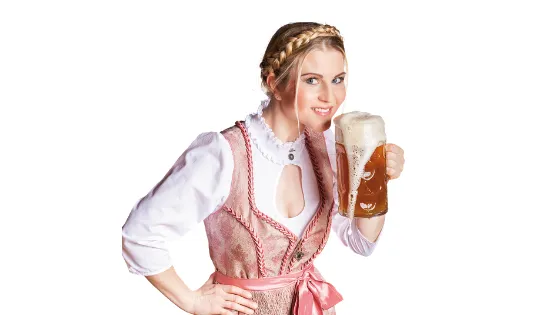
Nowadays we can enjoy drinking beer because of the labour of women brewers around the world. However, we are used to see and hear that beer is a men drink. History and facts prove us that it is an invention for many years.
Beer is a parity drink, which is drunk both by men and women. And it happens not only here and nowadays but everywhere and for hundreds of years.
There is no consensus concerning the origins of the first beer. But the archaeologists, who study the fermentation of beer, agree the most of the beer creator were women brewers.
«While men hunted, women harvested the necessary ingredients to cook and to make drinks as accompaniment to the mammoth or mastodon» said Dr Patrick, who is bimolecular archaeologist at Pensilvania University.
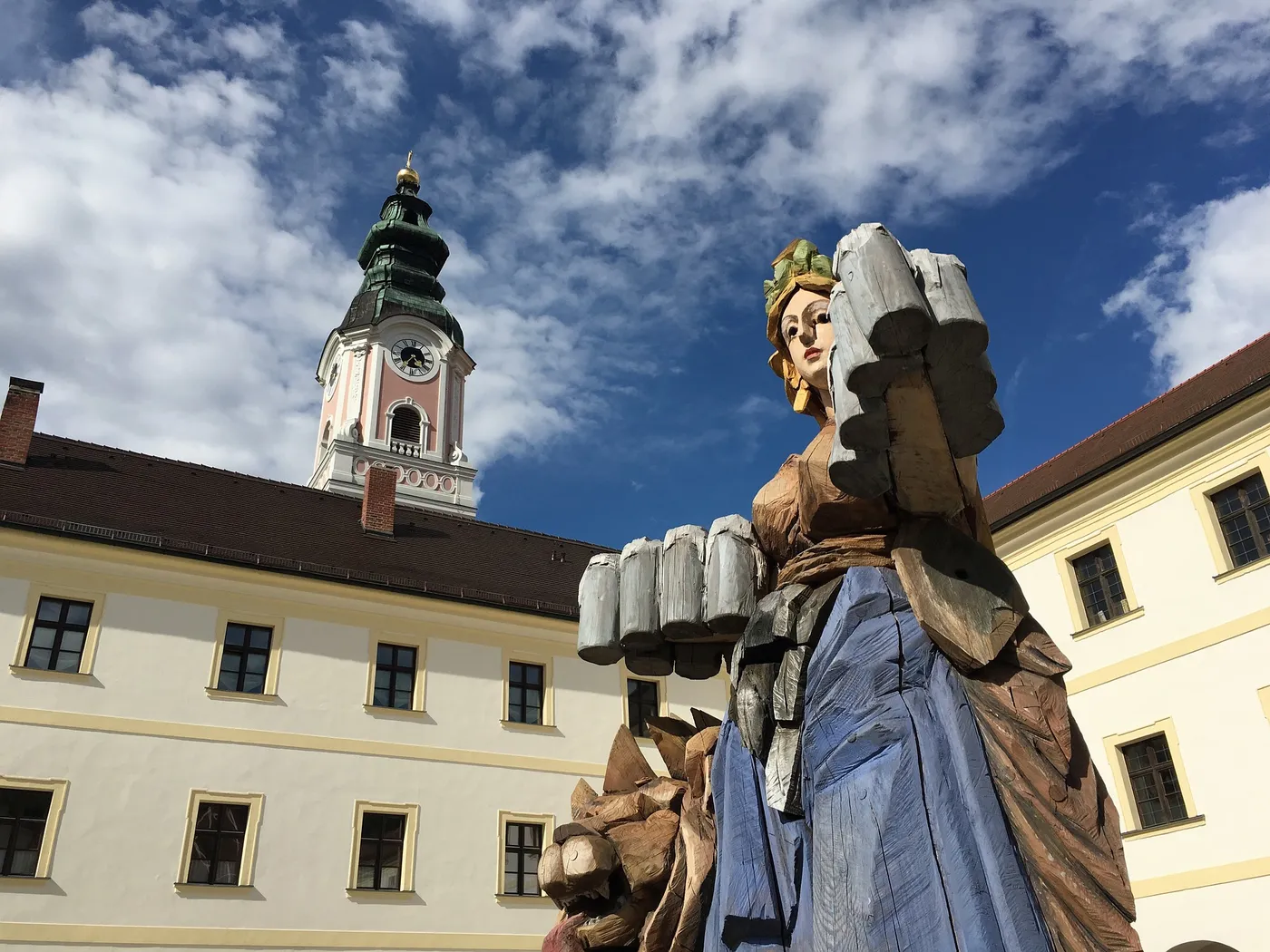
Women brewers throughout the history
There are many people, who have left in the hands of women brewers the beer production and the perpetuation of the tradition. In this way, they have achieved that nowadays we can enjoy our favorite ancient beverage, which is beer.
Would you like to know the contributions of women brewers in the ancient civilizations?
- Women from Sumerian make low point beer, which was used in religious ceremonies, as well as the usual food input of the family.
- Women from Babylon were the creators of the first commercial provision of beer. They run taverns and bakery, where beer was made professionally.
- People from Sumerian and Babylon brought beer to Egypt. There are some hieroglyphics, which represent women brewers. They are making and drinking beer with straw. For this reason, it is thought that women made the Egyptian beer. But when it was expanded throughout the country, women were replaced by men, who took over its distributive trades.
- In Nordic regions vikings only women are allowed to made beer. It was considered as a drink to celebrate theirs victories. Eames wrote an article in Yankee Brew News, which says: » Vikings women drunk beer in a tankard with men.»

What happened in medieval times?
In Central and Northern Europe, women made home-brewed beer to feed their husband and children during the medieval times.
This beer had essential nutrients. In addition, it had less bacteria than the water of the rivers. In this way, they could avoid spread of infections.
Some women brewers produced more beer than theirs families needed. So they sold the surplus of beer.
- The monasteries in Germany sheltered single women. In this way, they improved the beer production.
- In England women brewers made craft Ale. The sale of the surplus of beer was a very important source of incomes for the family. So it was very popular drink. For this reason, it became a staple food in the English families diet.
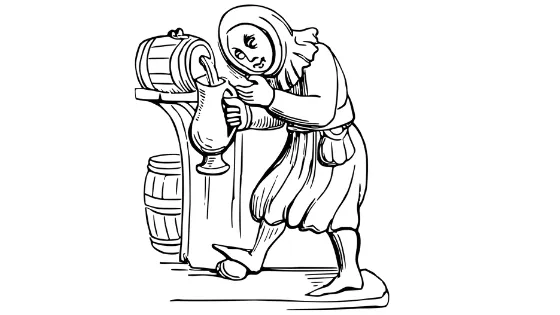
How was the beer situation in America, when the colonialists arrived?
European colonialist, who arrived America, brought both beer and its traditional way to make it, because they wanted to made it in their new home.
When they settled, the married women made home-brewed beer for the family consumption like they did in Europe.
In the big cities, men toke over the beer business. However in the small towns women still were in charge of the beer brewing for the family.
And in the Modern Ages?
Beer was drunk by everybody from poor people to members of the royalty. For this reason, during the Industrial Revolution the old methods of processing of women brewers were obsolete.
At the turn of the XVIII century the home-brewer beer production by women brewers had already disappeared in Europe.
Nowadays are there women brewers?
Both in rural South America, Africa and the Far East we can say that the situation is like in the ancient times. So in these place women still made its own beer. In this way, they maintain inherited traditions centuries ago.
From the 20´s
During the Prohibitions times, illegal beer elaboration was made by women. One more time, they preserve brewer tradition.
However, in the 50´s the publicity developed gender roles, which sold the beer as a men drink. This idea still continues nowadays. Women image were used just as an attractive advertising.
It is less-known, but women never stop making and trading and even beer consumption, despite legal prohibitions.
Since the 60´s
There was an important change in Occident. Both women and men worked in the labour industrial market. The breweries were a job opportunity as good as anyone else.
In this years, the slogan advertisements positioned our loved beer like a men drink. Women were excluded from the production, trade and even from its consumption.
Nowadays
The situation is changing with hard efforts. It becomes clearly that statements about beer as the men drink.
In 2007, Pink Boots Society appears, which is a NGO. It was created by to promote the beer culture, as well as the important role of women in this sector. Its purpose is creating a workers and business net in the beer sector. It was incorporated by Teri Fahendorf, Laura Ulrich and Whitney Thompson arrive Spain in 2006 with Jing Chen.
There are many studies and statistics, which say that there is an increasing beer consumption in women world population. It is obvious the empowerment of the women brewers in a sector, which has been sold just for men. There is an increase of women brewers, who works hard to make known their role and excellent work in this business. Because it is the best of the legacies.
The increase of women in specialized job in this sector, such as beer sommeliers, writers, etc. And why not feminine palates, which are able to identify subtle nuances.
In conclusion, from Beer Spa we want to value the important of women brewers in the history of this drink, which serve us as leitmotiv. We want to contribute with one more interesting fact to the numerous statistics about this theme: The 49% of our visitors are women. Some of them come to enjoy our singular spa with more female friends, who also love beer and its benefits. So women have contributed to improve this ancient drink…Thank you!
¿Te apetece vivirlo?
Reserva tu circuito Beer Spa o regala la experiencia. 7 centros por toda España.
Reservar mi circuito